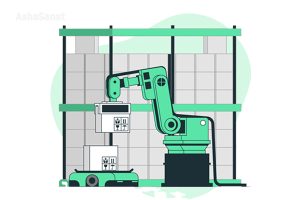

در دنیای صنعتی امروز، تجهیزات اتوماسیون نقش کلیدی در بهبود بهرهوری و کاهش هزینههای تولید دارند. این تجهیزات شامل سیستمهای کنترلی، رباتهای صنعتی، حسگرها، نرمافزارهای مدیریتی و دستگاههای هوشمند میشوند که به صورت هماهنگ کار میکنند تا فرآیندهای تولید و مدیریت بهینه شوند. در این مقاله، اهمیت، مزایا و چالشهای استفاده از تجهیزات اتوماسیون را بررسی خواهیم کرد.
اهمیت تجهیزات اتوماسیون
اتوماسیون در بسیاری از صنایع، از تولید تا خدمات، به عنوان یک ابزار ضروری شناخته شده است. استفاده از این تجهیزات موجب:
افزایش دقت و کیفیت تولید: کاهش خطاهای انسانی و تضمین کیفیت محصول. کاهش هزینههای عملیاتی: کاهش نیاز به نیروی انسانی و افزایش سرعت تولید. بهبود ایمنی در محیط کار: کاهش حوادث کاری از طریق استفاده از رباتها و سیستمهای خودکار.
انواع تجهیزات اتوماسیون
سیستمهای کنترلی: مانند PLC و DCS که مدیریت فرآیندها را برعهده دارند. رباتهای صنعتی: مورد استفاده در خطوط مونتاژ، جوشکاری و بستهبندی. حسگرها و تجهیزات نظارتی: برای پایش دما، فشار، رطوبت و سایر پارامترهای حیاتی. نرمافزارهای اتوماسیون: سیستمهای ERP و SCADA که اطلاعات را تجزیه و تحلیل میکنند.
مزایای استفاده از تجهیزات اتوماسیون
افزایش سرعت و بهرهوری: کاهش زمان تولید و افزایش توان خروجی کارخانهها. بهبود کیفیت محصولات: استانداردسازی فرآیندهای تولید و کاهش نواقص. انعطافپذیری در تولید: امکان تغییر سریع خطوط تولید برای انطباق با نیازهای بازار.
چالشها و محدودیتهای اتوماسیون
هزینههای اولیه بالا: سرمایهگذاری در تجهیزات پیشرفته نیازمند هزینههای زیادی است. نیاز به تخصص فنی: نگهداری و تعمیرات سیستمهای اتوماسیون نیاز به نیروی متخصص دارد. محدودیت در تصمیمگیریهای پیچیده: در برخی موارد، تصمیمات انسانی هنوز برتر از سیستمهای خودکار هستند.
نتیجهگیری
تجهیزات اتوماسیون یکی از عوامل اصلی تحول در صنعت مدرن محسوب میشوند. با وجود چالشهای موجود، این فناوری توانسته است به بهبود بهرهوری، کیفیت و ایمنی در صنایع مختلف کمک کند. آینده صنعت به شدت به توسعه و بهکارگیری راهکارهای اتوماسیون وابسته خواهد بود.
Automation equipment and its role in modern industry
Introduction
In today’s industrial world, automation equipment plays a key role in improving productivity and reducing production costs. These systems include control systems, industrial robots, sensors, management software, and smart devices that work together to optimize production and management processes. In this article, we will examine the importance, benefits, and challenges of using automation equipment.
Importance of automation equipment
Automation is recognized as an essential tool in many industries, from manufacturing to services. The use of this equipment leads to:
Improved production accuracy and quality: Reducing human errors and ensuring product quality. Reduced operational costs: Lowering labor requirements and increasing production speed. Improved workplace safety: Reducing workplace accidents through the use of robots and automated systems.
Types of automation equipment
Control systems: such as PLC and DCS, which manage industrial processes. Industrial robots: used in assembly lines, welding, and packaging. Sensors and monitoring equipment: for tracking temperature, pressure, humidity, and other critical parameters. Automation software: systems such as ERP and SCADA that analyze and process data.
Benefits of using automation equipment
Increased speed and productivity: Reducing production time and increasing factory output capacity. Improved product quality: Standardizing production processes and reducing defects. Production flexibility: Enabling quick changes in production lines to adapt to market demands.
Challenges and limitations of automation
High initial costs: Investing in advanced equipment requires significant expenses. Need for technical expertise: Maintaining and repairing automation systems requires skilled personnel. Limitations in complex decision-making: In some cases, human decisions are still superior to automated systems.
Conclusion
Automation equipment is considered one of the main factors driving transformation in modern industry. Despite existing challenges, this technology has helped improve productivity, quality, and safety across various industries. The future of industry will be heavily dependent on the development and implementation of automation solutions.